
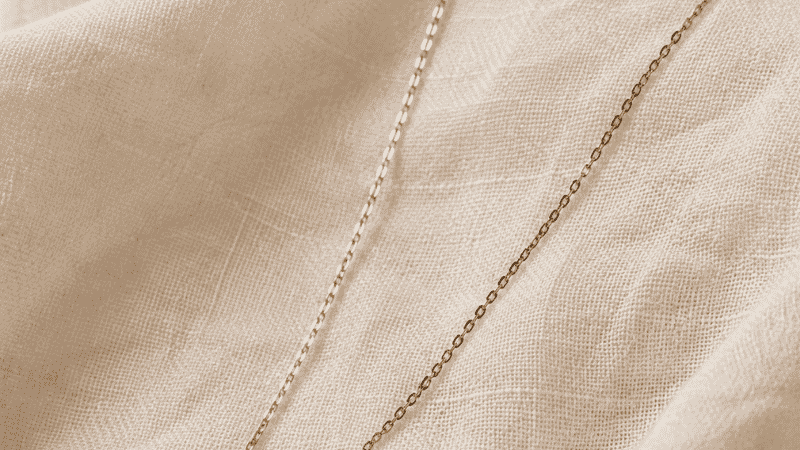
You bought the necklace because it looked exactly like real gold. The warm tone, the delicate chain, the way it caught the light — it felt like a find. Three months later, you reach into your jewelry box and something’s off. The color has shifted. There’s a dull patch near the clasp. Or worse, you took it off after a long day and noticed a faint green tinge on your collarbone.
And now you’re wondering: is this normal? Did I do something wrong? Was it always going to end this way?
The short answer is yes — gold plated jewelry can and does tarnish. But the longer answer is more useful, because tarnishing isn’t inevitable at the same rate for everyone, and understanding why it happens gives you real control over how long your pieces last. This isn’t a story about cheap jewelry failing you. It’s about knowing what you’re working with from the start.
Key Takeaways
- Gold plating is a thin layer of real gold — often just 0.5 to 2.5 microns thick — bonded over a base metal like brass or copper
- Yes, gold plated jewelry does tarnish, typically within 1 month to 2 years depending on plating thickness, wear frequency, and care habits
- The tarnish you see is the base metal reacting to sweat, humidity, and skin products — not the gold itself oxidizing
- Gold vermeil and gold-filled pieces last significantly longer than standard gold plating
- The most effective way to slow tarnishing costs nothing: put jewelry on last and take it off first
What Does “Gold Plated” Actually Mean?
Before anything else, it helps to understand what you’re actually buying when you pick up a gold plated piece — because the term covers a surprisingly wide range of quality.
Gold plating is an electroplating process: a base metal (usually brass, copper, or sometimes sterling silver) is submerged in a solution containing dissolved gold ions and given an electrical charge. The gold ions bond to the surface, creating a thin layer of real gold on the outside. The result looks identical to solid gold. The difference is what’s underneath.
The gold layer itself is measured in microns. One micron is one thousandth of a millimeter — genuinely invisible to the naked eye. Standard gold plating runs between 0.5 and 2.5 microns thick. Flash plating, the thinnest and cheapest type, can be as little as 0.175 microns. Gold vermeil (a higher-quality version you’ll see from better jewelry brands) requires at least 2.5 microns of gold over sterling silver. Gold-filled, which is a completely different process, has a layer that’s at least 5% of the piece’s total weight — vastly thicker and more durable.
Why does this matter? Because it’s the base metal, not the gold, that tarnishes. And thinner plating means you reach that base metal faster.
So Does Gold Plated Jewelry Actually Tarnish?
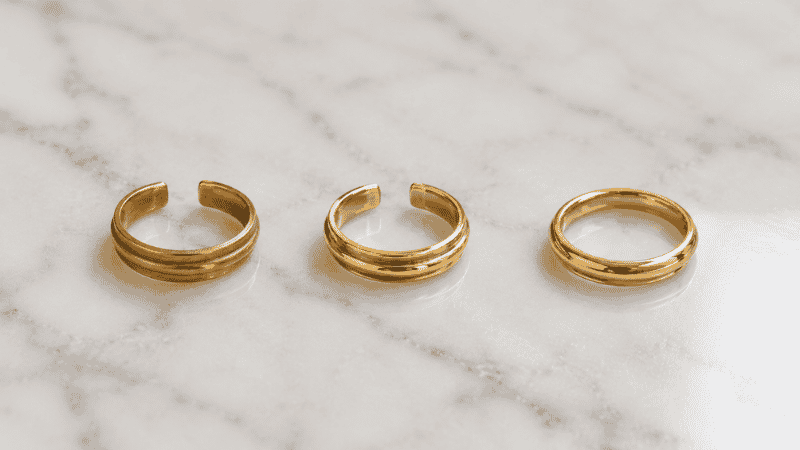
Yes — though what most people call “tarnishing” is actually a few different things happening at once, and knowing the difference helps you respond to it correctly.
The gold layer itself doesn’t tarnish. Pure gold is chemically stable and doesn’t oxidize under normal conditions. That’s part of why it’s been prized for thousands of years. But the gold on plated jewelry is a surface layer sitting over metals that absolutely do react — copper, brass, zinc. When the plating wears thin or chips away in areas of friction (the clasp, the back of a ring, the inside of a bracelet), the base metal underneath is exposed to air and moisture. That’s when you see discoloration, dark patches, or that greenish tinge that nobody wants.
The green color specifically comes from copper oxidation — copper carbonate, technically. It’s the same chemical process that turned the Statue of Liberty green over decades, just happening on a much smaller scale against your skin. It isn’t harmful, but it is a clear sign that the plating has worn through in that spot.
What happens faster than you might expect is the plating being worn away by friction — the fabric of your clothing, contact with other pieces in your jewelry box, even just the texture of your own skin during a long day of wear. This is why rings and bracelets tend to show tarnishing before necklaces: they experience more physical contact.
What Speeds Up Tarnishing on Gold Plated Jewelry?
This is where most articles stop at a surface-level list. But the real picture is more nuanced, because some of these factors you can control completely and some you simply can’t.
Sweat and body chemistry. Your skin’s natural acidity varies person to person. People with more acidic sweat — which can be influenced by diet, stress levels, medication, and genetics — will find that plated pieces tarnish faster. This is why the same necklace can last two years on one person and two months on another. It isn’t the jewelry’s fault, and it isn’t yours. It’s just chemistry.
Humidity and air exposure. Moisture in the air accelerates oxidation of the base metals under plating. Storing jewelry in a bathroom — somewhere that gets daily humidity from showers — is one of the fastest ways to shorten the life of plated pieces. Even a warm, damp summer can noticeably accelerate tarnishing on pieces you’re not even wearing.
Lotions, perfumes, and hairspray. This one surprises people. These products don’t just sit on top of the gold — they seep into tiny gaps in the surface, react with the base metal, and accelerate breakdown from underneath. The classic advice to “put jewelry on last” exists specifically because of this. Fragrance, in particular, contains alcohol and compounds that are actively corrosive to metal coatings over time.
Chlorine and saltwater. Swimming with gold plated jewelry — whether in a pool or the ocean — is one of the fastest ways to damage plating. Chlorine chemically attacks the metal, and saltwater accelerates oxidation significantly. Even a few sessions in a pool can strip plating from areas that would otherwise have lasted months.
The base metal itself. Not all base metals tarnish at the same rate. Brass tarnishes faster than copper in some conditions; copper reacts more visibly with skin. Sterling silver (used in vermeil) is more stable than brass as a base, which is part of why vermeil tends to last longer than standard gold plating.
How Long Does Gold Plated Jewelry Actually Last?
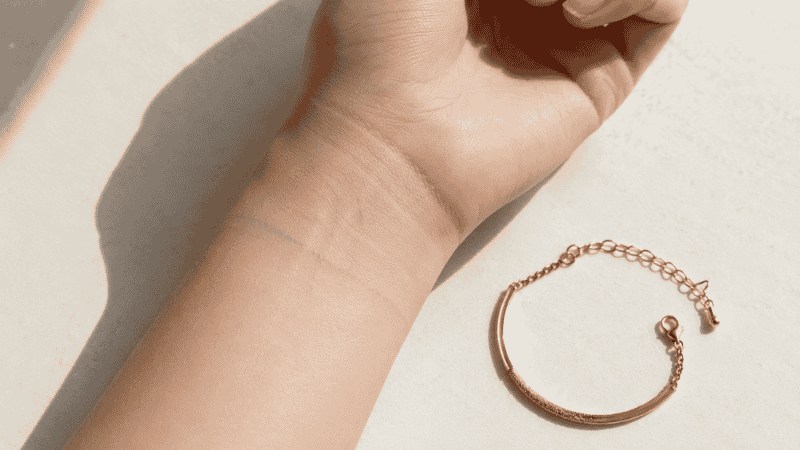
Honestly? It varies more than most brands will tell you.
Standard gold plating with thin micron coverage on a brass base, worn daily without any special care, can start showing wear within one to three months. The kind of “gold plated” pieces sold in fast fashion contexts often fall into this category — the plating is so thin it’s almost decorative.
Better-quality gold plating — thicker micron coverage, better base metal, from a brand that invests in the process — can realistically last one to two years with regular wear and reasonable care.
Gold vermeil, when cared for properly, often lasts three to five years. Gold-filled pieces, which have a dramatically thicker gold layer, can last decades.
The honest framing is this: gold plated jewelry is not a permanent investment, and it was never designed to be. It’s an accessible way to wear gold-colored pieces at a fraction of the price of solid gold. The trade-off is longevity. Understanding that going in changes the experience — you’re not disappointed when it shows wear, because you understood the timeline.
How to Make Gold Plated Jewelry Last Longer
None of this requires special products or complicated routines. The habits that extend plating life the most are the simplest ones.
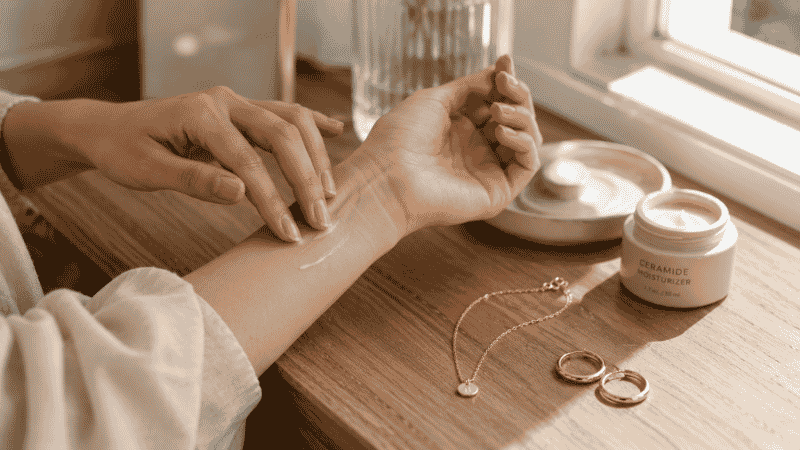
Put it on last, take it off first. This single habit makes a bigger difference than any cleaning routine. Applying perfume, moisturizer, sunscreen, and hairspray before you put on jewelry prevents these products from sitting on the surface and working into the plating. Taking it off before washing your hands, showering, or working out prevents the most damaging moisture exposure.
Wipe it down after wearing. A quick pass with a dry, soft microfiber cloth after each wear removes the skin oils and moisture that would otherwise sit on the surface overnight. It takes thirty seconds. Over months, it makes a visible difference.
Store pieces individually. Jewelry pieces rubbing against each other in a tangled pile creates micro-scratches that wear through plating faster than almost anything else. Soft pouches, individual compartments in a lined jewelry box, or even small zip-lock bags keep pieces separated and protected.
Keep it away from water. Remove gold plated pieces before washing your hands, showering, swimming, or doing dishes. Even brief, repeated water exposure adds up over time in ways that aren’t visible until the plating has already thinned significantly.
Avoid storing in the bathroom. The daily humidity from showers and the temperature fluctuations in a bathroom accelerate oxidation even on pieces that aren’t being worn. A bedroom dresser or a drawer away from moisture is a significantly better home for plated jewelry.
When Is It Time to Accept the Tarnish — Or Move On?
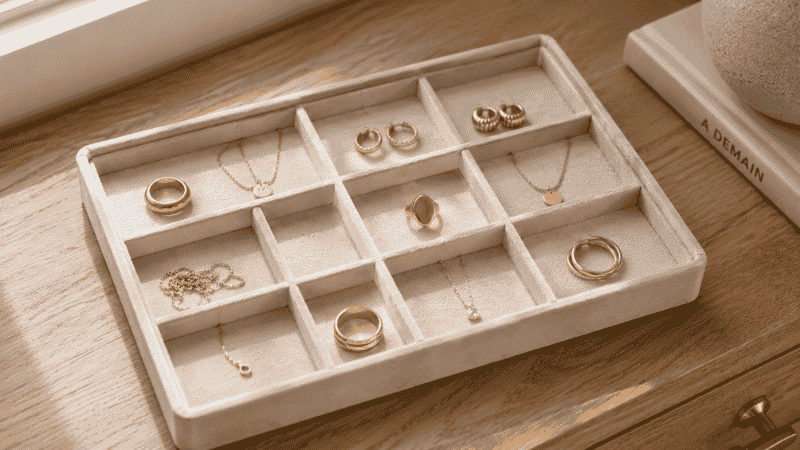
There’s a point with gold plated jewelry where cleaning won’t restore the original look. When the plating has worn through to the base metal in visible areas — patches of darker color, a different undertone showing through, green marks that won’t wipe away — the gold is simply gone from those spots. No amount of polishing changes that.
At that point, you have two options. Some jewelers offer re-plating services, where a new layer of gold is electroplated onto the piece. It’s worth considering for a piece with sentimental value or a particularly good base structure. For most everyday plated pieces, though, the re-plating cost often approaches or exceeds the original price.
The other option is to let it retire gracefully and make a more informed decision about what comes next — whether that’s investing in gold-filled or solid gold for pieces you wear every day, and continuing to enjoy gold plated pieces for occasional wear where longevity matters less.
Gold Plated vs. Gold Filled vs. Gold Vermeil: A Quick Honest Comparison
If you’re rethinking your approach to gold jewelry after reading this, here’s where each option actually sits.
Gold plated: Thin gold layer (0.5–2.5 microns) over any base metal. Most accessible price point. Shortest lifespan with daily wear. Fine for occasional-wear pieces or trend-driven purchases you don’t expect to keep forever.
Gold vermeil: At least 2.5 microns of gold over sterling silver specifically. More durable than standard plating, hypoallergenic base metal, noticeably better longevity. The sweet spot for people who want the look of gold without solid gold prices but care about pieces lasting more than a season.
Gold-filled: A thick layer of gold (at least 5% of the piece’s total weight) bonded to a base metal through heat and pressure — not electroplating. Dramatically more durable than both plating and vermeil. Will last years with proper care. Costs more, but the per-wear cost over time is usually lower.
Solid gold (14k or 18k): The most durable option. Never tarnishes from the outside. Worth the investment for daily-wear pieces you intend to keep long term — a simple chain you wear every day, a ring that never comes off.
FAQ
Does gold plated jewelry turn skin green? It can, yes — but the green comes from the base metal underneath the plating (usually copper or brass) oxidizing against your skin, not from the gold itself. It happens when the plating has worn thin enough that the base metal is making contact with your skin. It’s not harmful, but it is a sign the plating is wearing through.
Can you shower with gold plated jewelry? It’s not recommended. Regular exposure to water, soap, and steam accelerates the wear of gold plating, especially around clasps and high-friction areas. Taking pieces off before showering is one of the easiest habits for extending plating life.
How do you know if gold plated jewelry is tarnishing? Early signs include a slight dulling of the surface, a darker tone in areas of friction (the back of a ring, near a clasp), or a slight color shift where the gold looks less warm. Visible patches of a different color — greenish, grayish, or coppery — indicate the plating has worn through entirely in those spots.
Does gold plated jewelry tarnish faster on some people? Yes, genuinely. Skin acidity, sweat composition, diet, medication, and even stress can affect how quickly plating breaks down. People with more acidic sweat will find plated jewelry shows wear faster — it’s not about how carefully they care for it.
Is it worth buying gold plated jewelry knowing it will tarnish? That depends entirely on what you’re buying it for. For trend pieces, occasional-wear accessories, or jewelry at a price point where longevity isn’t the point — absolutely. For everyday staples you plan to wear for years, gold-filled or solid gold is a better long-term choice. The honest answer is that gold plated jewelry has a place in any jewelry collection; it just isn’t meant to be the permanent foundation of it.
Gold plated jewelry isn’t a compromise. It’s a category with its own logic — accessible, versatile, and genuinely beautiful when you know how to work with it. The pieces that last are the ones that are cared for consistently, stored thoughtfully, and bought with realistic expectations about their lifespan.
The gold is real. The layer is just thin. And now that you know exactly what you’re working with, you can get a lot more out of it.
Related reading:
- How to Clean Gold Jewelry at Home (Without Damaging It) → [internal link]
- 14k vs 18k Gold: What’s the Real Difference? → [internal link]
- How to Store Jewelry So It Actually Stays Nice → [internal link]
Sources:
- 1stDibs Expert Q&A — Does gold plating tarnish? (April 2024)
- Blackberry Designs Jewelry — Gold Plated Jewelry: How Long Does It Really Last? (August 2024)
- AOL / Real Simple — What’s the Real Difference Between Gold and Gold-Plated Jewelry?
- AOL — This Is Why Your Skin Turns Green After Wearing Certain Jewelry
- catalog21.substack.com — What Jewelry Not to Buy (personal experience with gold plated signet ring)