
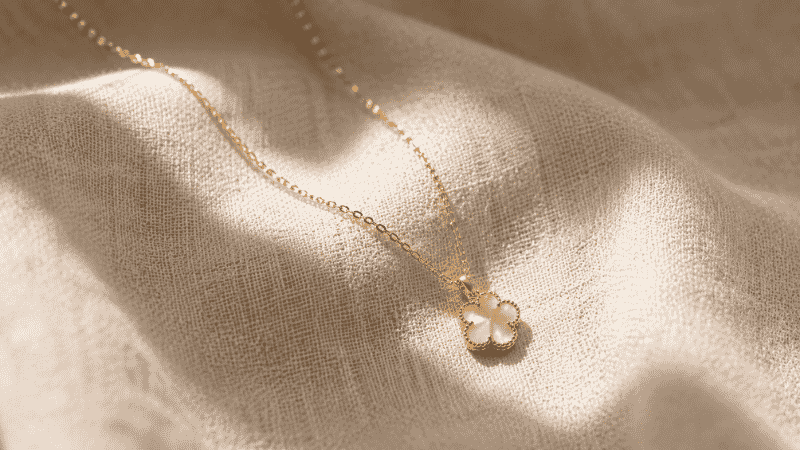
You’re browsing a jewelry brand you like — Mejuri, maybe, or one of those beautifully photographed Etsy shops — and the product description says “gold vermeil.” It’s not solid gold. It’s not gold plated. It’s something in between, apparently, but exactly what that means and whether it matters isn’t immediately clear.
So you open another tab and search. And you find ten different articles that all say roughly the same things in roughly the same order, none of which quite answers the question you actually have: is this worth buying? Will it look good in six months? Is it the same as the cheap stuff that turned my skin green last year?
This guide is the one that actually answers those questions. What gold vermeil is, how it’s made, how it compares to gold plated and gold filled, what it’s genuinely good for, where it falls short, and how to care for it so you get the most out of what you spend. No filler. Just what you need to know.
Key Takeaways
- Gold vermeil (pronounced “ver-MAY”) is gold plating over a sterling silver base — legally required to be at least 2.5 microns thick and at least 10 karat gold
- It’s a significant step up from standard gold plating, which uses cheaper base metals and much thinner gold layers (often 0.5 microns or less)
- Gold vermeil is hypoallergenic because the sterling silver base doesn’t cause reactions the way brass and copper bases do
- With proper care, quality vermeil can last two to five years with regular wear — much longer for occasional-wear pieces
- It sits between standard gold plating and gold-filled in terms of durability and price, and is the preferred material of most demi-fine jewelry brands
What Is Gold Vermeil, Exactly?
Gold vermeil is a specific type of gold jewelry with a legal definition — which is unusual in an industry where terms like “gold tone” and “gold dipped” mean almost nothing and carry no quality guarantees.
To be legally classified as gold vermeil in the United States (regulated by the Federal Trade Commission), a piece must meet three requirements:
The base metal must be sterling silver — specifically 925 sterling, meaning 92.5% pure silver. Not brass, not copper, not unknown alloy. Silver.
The gold layer must be at least 2.5 microns thick. One micron is one thousandth of a millimeter — invisible to the naked eye — but this thickness is five times thicker than typical standard gold plating, which often runs at 0.5 microns or less.
The gold used must be at least 10 karat. Most quality vermeil uses 18k gold, which gives that warmer, richer color. Some premium pieces use 24k.
That combination — a real silver base, legally defined gold thickness, minimum karat requirement — is what separates vermeil from the general category of “gold plated,” which has no thickness requirement and no base metal specification. A piece described only as “gold plated” could have 0.1 microns of gold over brass. A piece described as gold vermeil is held to actual standards.
How Is Gold Vermeil Made?
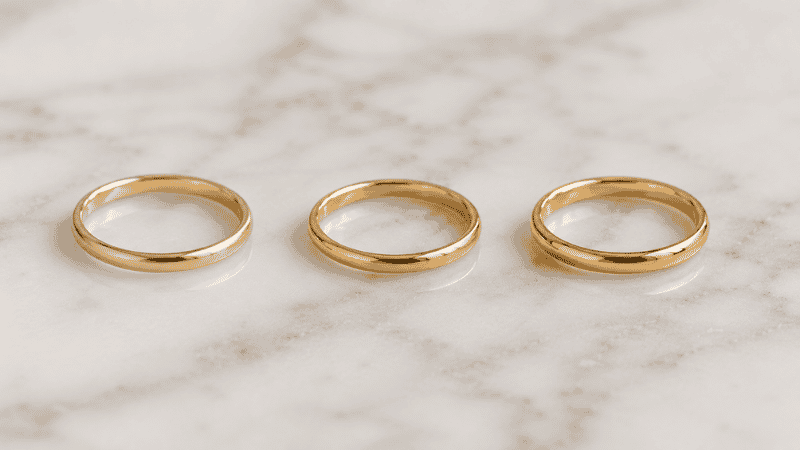
The process is electroplating — the same fundamental technique used for all gold-coated jewelry. The sterling silver piece is cleaned thoroughly, then submerged in a solution containing dissolved gold ions and connected to an electrical current. The current causes gold ions to bond to the silver surface, building up the gold layer gradually.
What distinguishes vermeil from cheaper plating isn’t the process itself but the quality controls: the thickness of the layer applied, the karat of gold used, and the quality of the silver base. Better vermeil pieces often go through multiple plating sessions to build up a more even, durable layer.
Some brands also use PVD (Physical Vapor Deposition) coating as an alternative or supplement, which can be more durable than standard electroplating. If you see “PVD gold vermeil” in a product description, that’s generally a positive quality signal.
Gold Vermeil vs Gold Plated: What’s the Real Difference?
This is the question most people actually have, and the answer matters more than most product descriptions suggest.
Gold plated has no legal thickness requirement. The gold layer is often 0.5 microns thick, sometimes as thin as 0.175 microns for pieces described as “gold flashed” or “gold electroplate.” The base metal is typically brass, copper, or unknown alloy — whatever is cheapest. When the plating wears through (and it will, faster than you’d expect), that base metal makes direct contact with your skin. If the base is brass or copper, that’s when you get green marks and potential irritation.
Gold vermeil starts at 2.5 microns — five times thicker as a minimum. The base is always sterling silver, which doesn’t cause the oxidation reactions that copper and brass do. When vermeil eventually wears through, what’s underneath is silver, not an unknown alloy. That’s why vermeil is genuinely hypoallergenic in a way that most gold-plated jewelry isn’t.
The practical difference: a standard gold-plated piece worn daily might start showing wear within weeks to months. A quality vermeil piece, cared for properly, holds its color for one to three years of regular wear, sometimes longer.
The other thing worth noting: the term “gold plated” is often applied to genuinely thick, high-quality pieces — and “gold vermeil” is sometimes used loosely by brands that don’t meet the legal standard. The label isn’t always reliable. The better signal is the specific information a brand provides: base metal, plating thickness, gold karat. Brands that share these details are almost always more trustworthy than brands that don’t.
Gold Vermeil vs Gold Filled: Which Lasts Longer?
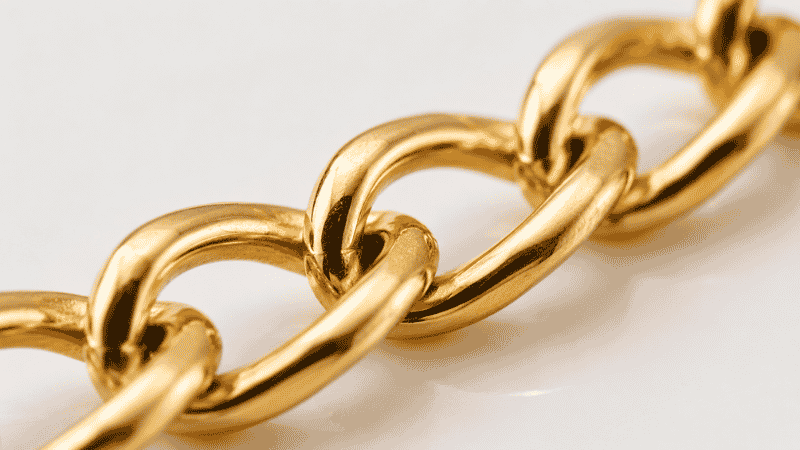
Gold-filled is the more durable option, and it’s worth understanding why.
Gold-filled jewelry is created through a different process entirely — the gold layer is mechanically bonded to the base metal through heat and pressure, not electroplated onto it. The legal requirement is that gold makes up at least 5% of the piece’s total weight. In practical terms, that layer is dramatically thicker than vermeil — sometimes 50 to 100 times thicker than standard plating, and still significantly thicker than vermeil’s 2.5 micron minimum.
The base metal in gold-filled is usually brass, which is why gold-filled isn’t quite as hypoallergenic as vermeil for people with metal sensitivities. But the gold layer is thick enough that the brass rarely makes contact with skin during normal wear.
For everyday wear, particularly pieces that experience friction — rings, bracelets — gold-filled is the more practical choice. It’s genuinely resistant to tarnishing and can last decades with reasonable care. Vermeil will outlast standard plating significantly, but gold-filled will outlast vermeil.
For necklaces and earrings — pieces that experience less friction — the difference matters less in practice. A quality vermeil necklace worn daily and cared for properly can last for years without visible wear.
The honest comparison:
- Standard gold plating: months of daily wear
- Gold vermeil: 1 to 3+ years of daily wear, longer for occasional pieces
- Gold-filled: decades of daily wear
- Solid gold: indefinitely
Is Gold Vermeil Worth Buying?
The honest answer: it depends on what you’re comparing it to and what you’re using it for.
Compared to standard gold plating, vermeil is almost always worth the premium. The quality difference is significant, the hypoallergenic properties are real, and the longevity is meaningfully better. If you’re choosing between a gold-plated piece and a vermeil piece at a similar price point, the vermeil will almost always serve you better.
Compared to solid gold, vermeil is the right choice when the solid gold equivalent is outside your budget for a particular piece, or when you’re buying something trend-driven where longevity matters less. A vermeil version of a delicate trend piece at $80 makes more sense than a solid gold version at $300 if you’re not sure whether you’ll still love the style in three years.
Compared to gold-filled, vermeil is often a better aesthetic choice — the sterling silver base takes gold plating more evenly and brightly, and many people find vermeil has a slightly more luxurious warmth to it. Gold-filled wins on durability for daily-wear pieces, especially rings and bracelets.
Where vermeil genuinely shines: Necklaces and earrings you’ll wear regularly but not every single day. Gifts at the $50 to $150 range that need to feel and look genuinely fine. Building a jewelry wardrobe of pieces that look solid gold without solid gold prices. Brands in the demi-fine category — Mejuri, Gorjana, Monica Vinader, Missoma — that build their entire lines around quality vermeil for exactly these reasons.
How to Care for Gold Vermeil

Vermeil is more forgiving than standard plating but not as indestructible as gold-filled. These habits meaningfully extend its life.
Keep it dry. Water doesn’t destroy vermeil immediately, but repeated exposure — showering, swimming, sweaty workouts — accelerates wear. Take pieces off before water contact when you can.
Put jewelry on last. Perfume, lotion, and hairspray coat the gold surface and accelerate dulling and wear. Let these products dry completely before putting vermeil on.
Wipe after wearing. A quick pass with a dry microfiber cloth after each wear removes skin oils and moisture before they can settle. It takes thirty seconds and makes a real difference over months.
Store separately. Vermeil pieces rubbing against each other or against harder jewelry creates micro-scratches. Individual soft pouches or compartments in a lined jewelry box protect the surface.
Clean gently when needed. A very brief dip in lukewarm water with a tiny drop of mild soap, a gentle wipe with a soft cloth, and thorough drying is all that’s needed. No soaking, no toothbrush, no ultrasonic cleaners — all of these are too aggressive for the plating.
Avoid chemicals. Chlorine, bleach, and harsh cleaning products can damage the gold layer and discolor the silver base. Remove vermeil before cleaning or swimming.
How to Tell If a Piece Is Genuine Gold Vermeil
This has become relevant as “vermeil” gets used more loosely as a marketing term. A few ways to verify:
Look for a hallmark on the piece itself. Sterling silver bases should be stamped “925” or “Sterling.” A piece without any stamp is likely not genuine sterling silver.
Ask the brand directly about plating thickness and base metal. Quality brands that use genuine vermeil know this information and share it willingly. Vague answers or no answer is a sign the piece may not meet vermeil standards.
Consider the price. Genuine vermeil costs more than flash-plated brass because the materials are better. A $12 necklace described as “gold vermeil” is almost certainly not — the sterling silver alone would cost more than that.
Research the brand’s material standards. Demi-fine brands that build their reputation on quality will have detailed material information on their websites. That transparency is itself a quality signal.

FAQ
Is gold vermeil real gold? Yes — the gold in vermeil is real gold, not gold-colored coating. The layer must be at least 10 karat to qualify as vermeil. Most quality vermeil uses 18k gold. What makes it different from solid gold is that the gold is a plated layer over sterling silver rather than the material the piece is made from throughout.
Does gold vermeil tarnish? The gold layer itself doesn’t tarnish — pure gold is chemically stable. But the sterling silver base can tarnish if the gold layer wears through, and the surface can dull from buildup of skin oils and products over time. Proper care — keeping it dry, wiping after wear, storing correctly — significantly slows both processes.
Can you shower with gold vermeil jewelry? It’s best not to. Repeated water exposure, especially with soap or shampoo, accelerates wear of the gold layer. Occasional contact with water won’t destroy a piece immediately, but regular showering with vermeil significantly shortens its lifespan.
How long does gold vermeil last? With daily wear and reasonable care, quality vermeil typically lasts one to three years before showing visible wear. Occasional-wear pieces — earrings worn a few times a week, necklaces rotated through a collection — can look beautiful for five years or more. The variables are plating thickness, how much friction the piece experiences, and how well it’s cared for.
What’s the difference between gold vermeil and gold plated? Gold vermeil has a legal definition: sterling silver base, at least 2.5 microns of gold, minimum 10 karat. Standard gold plating has no required thickness and no base metal specification. In practice, vermeil is five or more times thicker than typical gold plating and sits over hypoallergenic sterling silver rather than potentially reactive brass or copper.
Gold vermeil is one of those things that sounds complicated until you understand what it actually means — and then it’s straightforward. It’s real gold over real silver, held to a real standard. It’s not solid gold, and it won’t last forever. But it’s a meaningful step above the category of jewelry that colors your skin green and dulls by the end of the season.
For most people building a wearable jewelry collection at an accessible price point, it’s exactly the right material.
Related reading:
- Does Gold Plated Jewelry Tarnish? Here’s the Honest Answer → [internal link]
- What Is Gold Filled Jewelry? And Is It Better Than Vermeil? → [internal link]
- 14k vs 18k Gold: What’s the Real Difference? → [internal link]
Sources:
- Borsheims — Gold-Plated vs Gold Vermeil vs Gold-Filled Jewelry: What’s the Difference? (May 2025)
- REEDS Jewelers — What’s The Difference Between Gold Filled vs Gold Plated vs Gold Vermeil
- Bits & Bangles — Gold-Filled vs. Gold-Plated vs. Vermeil: The Only Comparison You Need (December 2025)
- The Vintage Pearl — Gold Vermeil vs Gold Filled vs Gold Plated (April 2023)
- Federal Trade Commission — Jewelry Guides (regulatory standard for gold vermeil definition)