
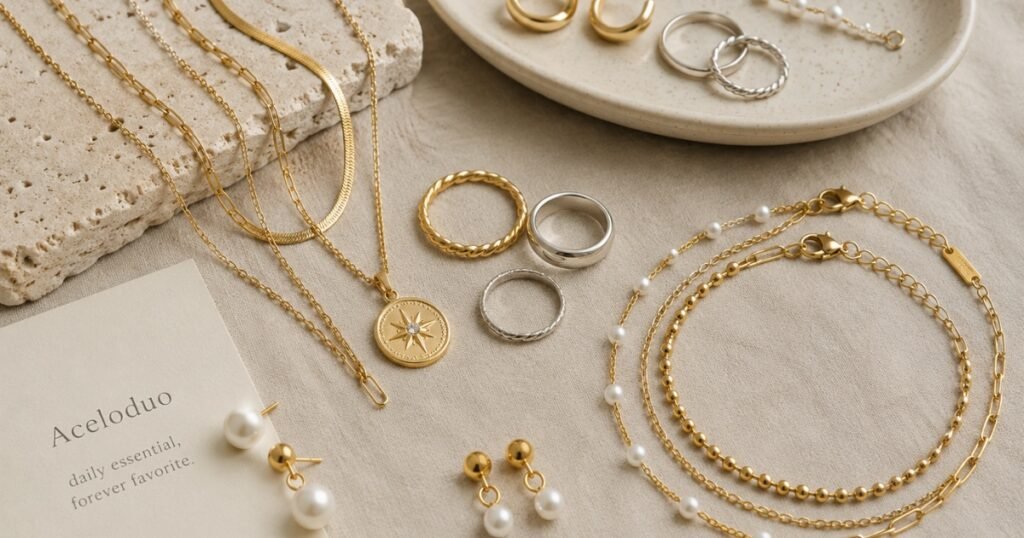
Shopping for demi fine jewelry can be surprisingly confusing. One necklace costs $20, another looks almost identical but sells for $200, and both claim to be “gold.” So what’s the real difference, and is the more expensive one actually worth it?
The answer usually comes down to the materials. Some pieces are made with sterling silver and a thick layer of gold, while others use inexpensive base metals with a thin coating that can wear off quickly. Knowing the difference can save you from buying jewelry that tarnishes after a few weeks—or spending more than you need to.
In this guide, you’ll learn what demi fine jewelry really is, how it compares with fine and fashion jewelry, which materials offer the best value, and how to choose pieces that look beautiful and last through everyday wear. Whether you’re buying your first everyday necklace or looking for a thoughtful gift, you’ll know exactly what to look for before you check out.
Overview / Quick Answer
Demi-fine jewelry sits between fashion jewelry and fine jewelry. It’s typically built on a 925 sterling silver or solid gold (9K–14K) base, then finished with gold vermeil or a thicker layer of gold plating — giving you a refined, fine-jewelry look without the fine-jewelry price tag.
A few things to know before you shop:
- Price range: Most pieces fall between $50–$200
- Best for: Everyday wear, necklace layering, ring stacking, and gifts that feel special without being extravagant
- Care needed: Yes — more than fashion jewelry, less than fine jewelry
- Investment value: Minimal — buy it for the design and the way it makes an outfit feel finished, not as a store of value
If you want jewelry that photographs well, layers effortlessly, and doesn’t demand a safety deposit box, this category is probably your sweet spot.
What Is Demi-Fine Jewelry?
Demi-fine jewelry is jewelry built on a genuine precious metal base — sterling silver or solid gold — that’s then plated or vermeil-finished to achieve a richer, more expensive-looking gold tone. It’s not costume jewelry, and it’s not fine jewelry either. It’s the category built specifically to close the gap between the two.
Why “demi-fine” became popular
Category grew because shoppers wanted something with more substance than a $15 mall necklace, but without committing $800 to a solid gold piece they’d be afraid to wear on the subway. Demi-fine jewelry answered that: real metal, real craftsmanship, a price that doesn’t sting if a clasp gets lost.
People who’ve outgrown drugstore jewelry but aren’t ready — financially or emotionally — to treat every piece like a vault item. Many shoppers reach this stage after a favorite fashion-jewelry piece has tarnished one too many times, and they start looking for something with a longer lifespan without jumping straight to fine jewelry.
Typical materials you’ll find
Most demi-fine pieces are built from one of these bases:
- 925 sterling silver
- Gold vermeil (sterling silver base, thick gold layer)
- Gold-filled metal
- Solid 9K–14K gold (less common, usually at the higher end of the price range)
Demi-Fine Jewelry: Typical Features
| Feature | Typical Range |
|---|---|
| Base metal | 925 sterling silver or 9K–14K gold |
| Finish | Gold vermeil or thick gold plating |
| Price range | $50–$200 |
| Best use | Everyday wear, layering, gifting |
| Lifespan (with care) | Several years |
| Resale value | Minimal to none |
Fine Jewelry vs. Demi-Fine Jewelry vs. Fashion Jewelry
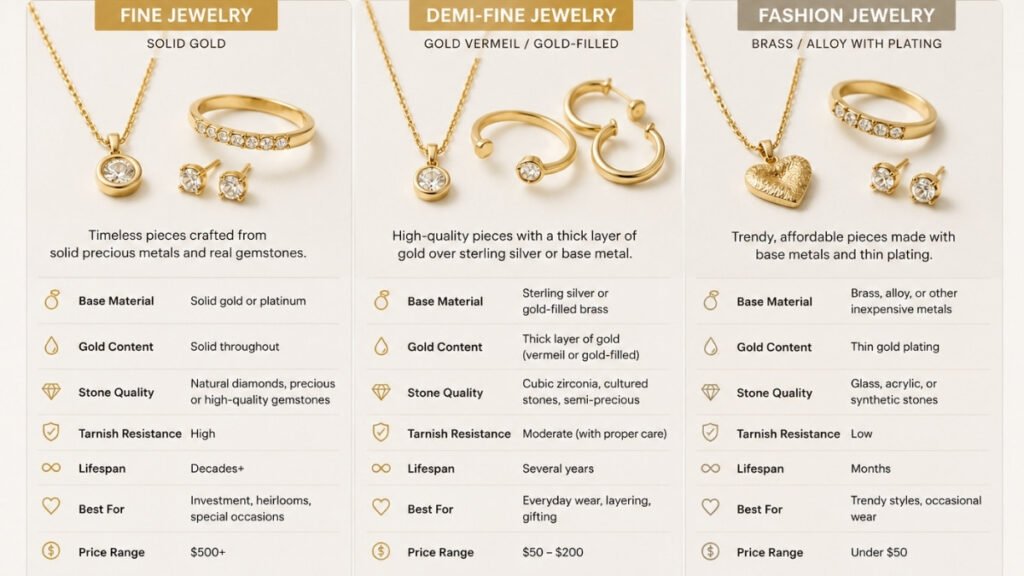
The fastest way to understand demi-fine jewelry is to see it next to its neighbors. Fine jewelry uses solid precious metals and genuine gemstones and holds long-term value. Fashion jewelry uses base metals with a thin plating that wears off quickly. Demi-fine sits deliberately in between — better than fashion, more affordable than fine.
Fine vs. Demi-Fine vs. Fashion Jewelry Comparison
| Fine Jewelry | Demi-Fine Jewelry | Fashion Jewelry | |
|---|---|---|---|
| Price | $500+ | $50–$200 | Under $50 |
| Base material | Solid gold/platinum | Sterling silver or solid gold | Brass/alloy |
| Gold content | Solid | Vermeil/thick plating | Thin plating |
| Stone quality | Precious gemstones | Semi-precious/cultured | Glass/synthetic |
| Tarnish resistance | High | Moderate | Low |
| Lifespan | Decades+ | Several years with care | Months |
| Maintenance | Low | Moderate | High (often not worth it) |
| Best for | Investment, heirlooms | Daily wear, layering, gifting | Occasional, trend pieces |
Which category offers the best value?
For everyday rotation — the necklace you put on without thinking, the rings you stack for work and weekends alike — demi-fine usually wins on value. You’re not paying for solid gold weight you’ll rarely notice day to day, but you’re also not replacing pieces every season.
It’s worth naming something people often feel a bit stuck on: the $100–$250 range can seem like it’s “not quite fine, not quite affordable.” That feeling usually comes from comparing demi-fine to the wrong category. It’s not meant to compete with fine jewelry on longevity, and it’s not meant to compete with fast fashion on price. Judged on its own terms — design, everyday durability, and how it photographs and layers — it earns its price point.
Understanding Demi-Fine Jewelry Materials
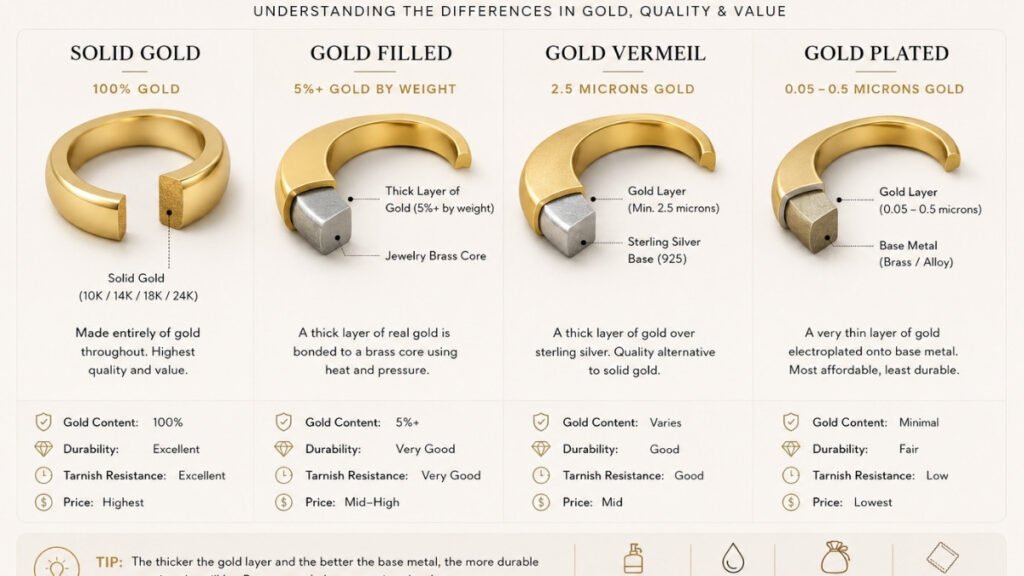
Not all “gold” jewelry is built the same way, and this is where most buying mistakes happen. A piece labeled gold vermeil, gold plated, and gold filled can look identical in a photo but behave completely differently after three months of daily wear.
Gold Vermeil vs. Gold Plated
Gold vermeil is sterling silver coated with a legally regulated minimum thickness of gold (in the U.S., at least 2.5 microns). Gold plated jewelry has no such standard — the base metal can be anything, and the gold layer can be extremely thin. If you want to understand the full technical distinction, what gold vermeil actually means is worth a closer read before you buy.
Gold Filled vs. Vermeil
Gold-filled jewelry uses a much thicker layer of gold mechanically bonded to a base metal — typically far more gold by volume than vermeil, which makes it more tarnish-resistant and better suited to daily wear, including light water exposure. If durability is your top priority, it’s worth comparing gold filled jewelry directly against vermeil before deciding.
Gold Vermeil vs. Gold Plated vs. Gold Filled vs. Solid Gold
| Gold Vermeil | Gold Plated | Gold Filled | Solid Gold | |
|---|---|---|---|---|
| Base metal | Sterling silver | Any base metal | Base metal | None (all gold) |
| Gold thickness | 2.5+ microns | Often under 0.5 microns | Thick, bonded layer | N/A |
| Tarnish resistance | Good | Poor | Very good | Excellent |
| Water/shower safe | Short exposure okay | Not recommended | Generally more forgiving | Yes |
| Typical price | $$ | $ | $$ | $$$$ |
Why sterling silver matters
The sterling silver base underneath vermeil affects how a piece feels, weighs, and wears. Genuine 925 silver holds detail better in engraving and settings than the cheaper alloys used under most plated pieces — a small detail that becomes obvious the moment you compare two similar-looking rings side by side.
Which materials are best for sensitive skin
Nickel is the most common trigger for jewelry-related skin irritation. Sterling silver and gold-filled pieces are typically nickel-free, while some inexpensive plated jewelry uses nickel-containing alloys underneath. If you’ve had reactions before, look specifically for “nickel-free” in the product description — not just “hypoallergenic,” which isn’t a regulated term.
Feel disappointed when a plated piece fades within weeks while a vermeil piece from the same order still looks new. The gap isn’t bad luck — it’s construction.
Is Demi-Fine Jewelry Worth Buying?
Yes — if you’re buying it for design, versatility, and everyday wear rather than as a financial investment. Demi-fine jewelry rarely holds resale value, but it consistently delivers on the thing most people actually want from jewelry: something beautiful to wear regularly without fear.
When demi-fine is the smartest purchase
Demi-fine makes the most sense when you want a piece you’ll wear multiple times a week — a everyday necklace, stacking rings, small hoops — and when the design and craftsmanship matter more to you than the resale or heirloom potential.
When solid gold is a better investment
Buying an engagement ring, an heirloom piece, or something you expect to pass down, solid gold (and understanding the difference between 14K and 18K gold) becomes far more relevant, since gold content directly affects both durability and long-term value.
Who Should Buy Which Jewelry Type
| Reader Profile | Best Fit |
|---|---|
| Wants everyday, low-risk pieces | Demi-fine jewelry |
| Wants trend pieces for occasional wear | Fashion jewelry |
| Wants heirloom or investment pieces | Fine/solid gold jewelry |
| Has sensitive skin, wears jewelry daily | Demi-fine (sterling silver/gold-filled) |
| Gifting on a $50–150 budget | Demi-fine jewelry |
One recurring source of disappointment is expecting demi-fine jewelry to hold or increase in value the way fine jewelry can. It won’t. The value here is entirely in wearability and design — once that expectation is set correctly upfront, buyers tend to be far happier with their purchase.
Will Demi-Fine Jewelry Tarnish or Fade?

Yes, most demi-fine jewelry will show some wear over time — this is normal, not a sign of a defective piece. Vermeil and plated pieces can fade gradually with regular wear, while sterling silver can oxidize when exposed to air, moisture, and everyday chemicals.
What causes tarnishing?
Tarnishing and fading are usually caused by a combination of everyday exposures rather than one single culprit.
Factors That Speed Up Tarnishing
| Factor | Effect |
|---|---|
| Sweat and body oils | Speeds up oxidation and gold wear |
| Perfume/lotion | Chemically breaks down gold plating |
| Chlorine (pools) | Damages plating and silver quickly |
| Sunscreen | Leaves residue that accelerates fading |
| Friction (clothing, gym) | Wears down thin gold layers |
| Humid storage | Speeds silver oxidation |
How long does gold vermeil last?
With reasonable care, gold vermeil typically holds its finish well for one to a few years of regular wear before it may need replating, depending on how often it’s worn and how it’s stored. Pieces worn daily to the gym or shower will fade faster than pieces reserved for going out.
Signs of normal wear vs. a problem piece
A little softening of color at high-friction points (like the inside of a ring band) is expected. Sudden, patchy discoloration across the entire piece within the first few weeks usually points to a very thin plating layer rather than normal wear.
It’s a detail many people don’t expect: unworn jewelry stored in a humid bathroom drawer or a fabric pouch can tarnish just as fast as a piece worn daily, because moisture and air exposure — not just skin contact — drive the reaction. Many beginners assume that not wearing a piece automatically protects it, when the opposite is often true if storage conditions are poor.
How to Care for Demi-Fine Jewelry So It Lasts Longer
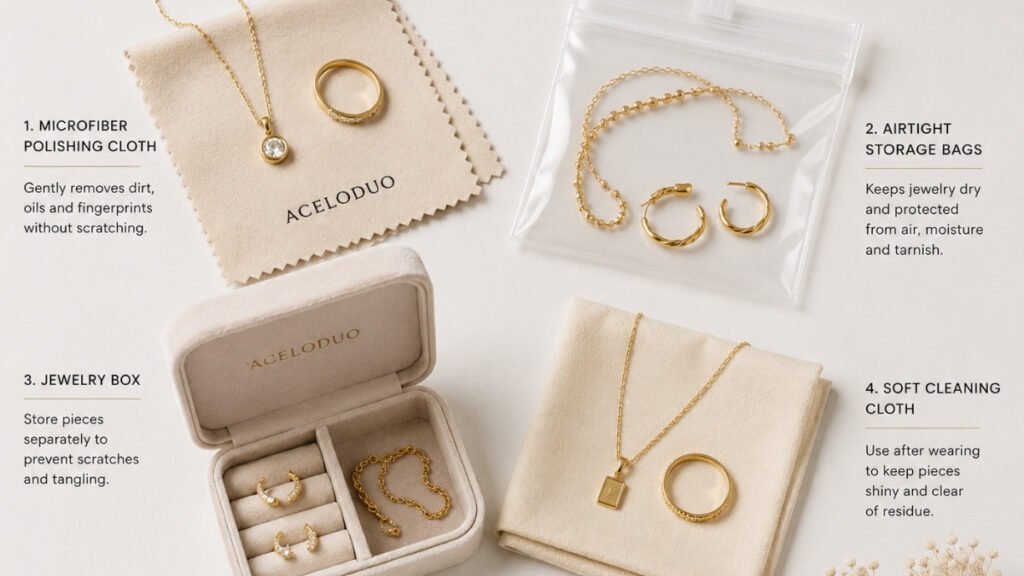
A little daily discipline goes a long way here. The combination of proper storage, gentle cleaning, and a “last on, first off” habit around water and chemicals is what separates a piece that looks great after two years from one that fades in two months.
Daily care routine
- Put jewelry on last, after perfume, lotion, and hairspray
- Remove jewelry first, before showering, swimming, or sleeping
- Wipe pieces gently with a soft microfiber cloth after wearing
- Store in a dry, airtight space — a small ziplock bag works better than an open dish
Storage mistakes to avoid
One of the most common mistakes is storing pieces in fabric pouches or open jewelry dishes, which allow air and moisture to reach the metal continuously. A sealed ziplock bag, with as much air pressed out as possible, dramatically slows oxidation — a simple fix that surprises a lot of people the first time they hear it.
Cleaning mistakes to avoid
Avoid toothbrushes, baking soda pastes, and harsh jewelry cleaning solutions on vermeil or plated pieces — the mild abrasion that’s harmless on solid gold can strip a thin gold layer entirely. A soft, dry or slightly damp microfiber cloth is almost always the safer choice.
Daily Jewelry Care Checklist
- Apply perfume, lotion, and hairspray before putting jewelry on
- Remove jewelry before showering, swimming, or exercising
- Wipe each piece with a microfiber cloth after wear
- Store in a sealed ziplock bag or airtight box, not an open dish
- Avoid toothbrushes or abrasive cleaners on plated/vermeil pieces
- Have well-loved pieces replated occasionally, if needed
Everyday Styling Tips for Demi-Fine Jewelry
Demi-fine jewelry earns its keep through versatility. A handful of well-chosen pieces, worn thoughtfully, can carry you from a desk to dinner without a single outfit change — which is really the quiet magic of a well-built jewelry capsule.
Necklace layering formula
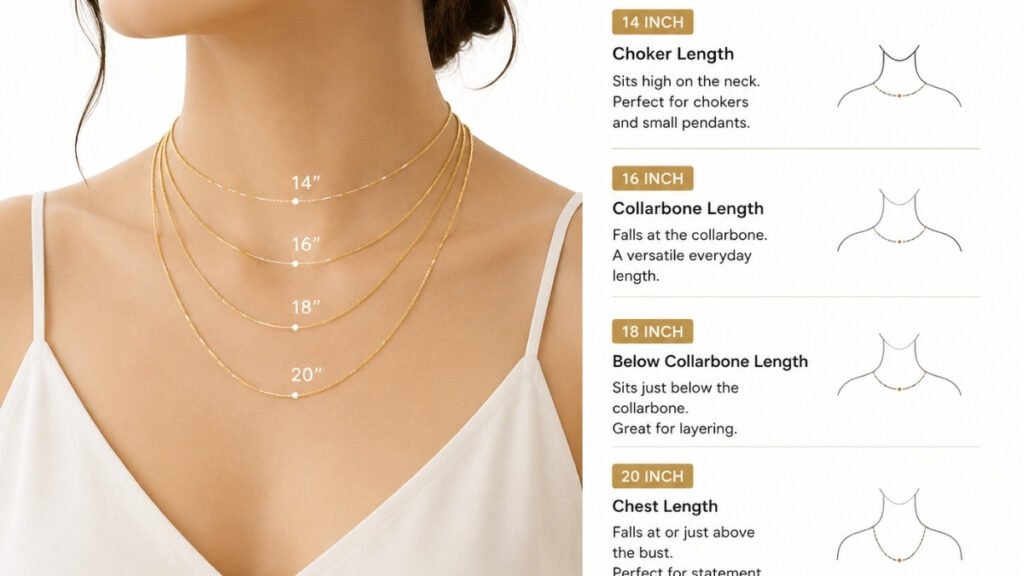
A simple, reliable formula: pair one delicate chain (14″–16″), one pendant piece (16″–18″), and one slightly longer statement chain (18″–20″). The varying lengths keep the layers visually distinct instead of tangling into one thick clump.
Ring stacking ideas
Mix a thin band, a signet-style ring, and one textured or slightly wider ring across two or three fingers. Keeping metals consistent (all gold-toned, for example) makes even a busy stack look intentional rather than accidental.
Three-piece everyday jewelry formula
For a low-effort, high-impact daily look: one necklace, one pair of small hoops or studs, and one ring. It’s simple enough for a rushed morning but polished enough to carry ceremony into an ordinary day.
Build a Capsule Jewelry Collection
- One everyday delicate necklace
- One layering pendant necklace
- A small set of stacking rings (2–3)
- One pair of everyday hoops or studs
- One statement piece for going out
People often find that a single delicate necklace is enough to visibly elevate a plain T-shirt or a white button-down — proof that styling impact doesn’t require a large collection, just a few pieces chosen with intention.
Choosing Demi-Fine Jewelry as a Gift
Demi-fine jewelry hits a sweet spot for gifting: it feels considered and a little special, without the pressure or price of fine jewelry. The safest picks tend to be classic, adjustable, and easy to layer into whatever the recipient already wears.
Gifts by budget
Gift Ideas by Budget and Recipient
| Budget | Best Picks | Good For |
|---|---|---|
| Under $50 | Simple studs, thin chain necklace | Friends, coworkers |
| $50–$100 | Layered necklace set, ring stack | Close friends, siblings |
| $100–$200 | Pearl necklace, gift set with box | Partners, moms, milestone gifts |
Gifts by recipient
For a girlfriend or partner, a delicate pendant necklace or a small gift set often reads as thoughtful without feeling overly formal. For a mom, a classic pearl necklace or a timeless bracelet tends to feel appropriately sentimental. For friends, adjustable rings or simple studs keep things safe and universally flattering.
Safe jewelry gifts for first-time buyers
If you don’t know a ring size or a preferred metal tone, adjustable rings and classic gold or silver pendants are the lowest-risk choices — they suit almost any style and skip the sizing guesswork entirely.
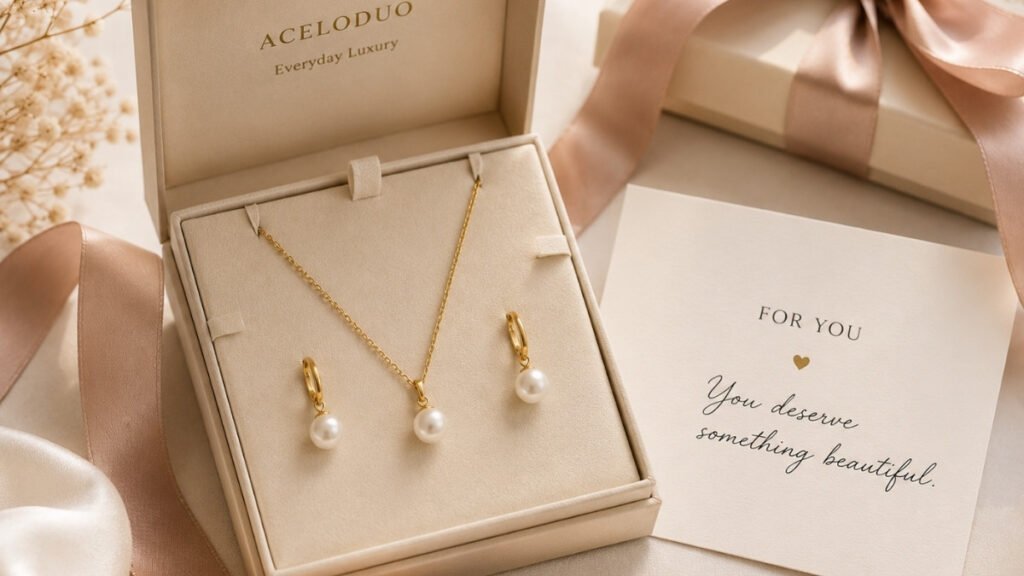
It’s a small thing, but thoughtful packaging genuinely changes how a gift is received; a piece presented in a proper jewelry box tends to feel more considered than the identical piece in a plain mailer bag.
Key takeaway: When in doubt, choose classic, adjustable, versatile pieces — they’re the safest bet for almost any recipient.
What to Look for Before Buying Demi-Fine Jewelry
The best demi-fine purchases come from paying attention to material transparency, not marketing language. Brands that clearly state their base metal, gold thickness, and care instructions are almost always a safer bet than ones that lean only on words like “luxury” or “premium.”
Green flags
- Clear labeling of base metal (sterling silver, brass, etc.)
- Stated gold thickness in microns, especially for vermeil
- Nickel-free or hypoallergenic claims backed by material specifics
- Visible customer photos showing real wear over time
- Clear warranty or replating policy
Red flags
- Vague terms like “gold-toned” with no material specified
- No return policy on jewelry
- Prices that seem high with no explanation of materials
- No mention of plating thickness at all
Questions to ask before buying
- What is the base metal, and is it disclosed clearly?
- What is the gold thickness (in microns), if plated or vermeil?
- Is the piece nickel-free?
- What is the return and warranty policy?
Demi-Fine Jewelry Buying Checklist
- Base metal is clearly stated
- Gold thickness is specified (for vermeil/plated pieces)
- Nickel-free claim is backed by material details
- Return policy exists and is reasonable
- Real customer photos are available
- Price aligns with stated materials, not just branding
A brand that’s transparent about a modest gold thickness is often more trustworthy than one that avoids the topic entirely while charging a premium price — honesty about limitations tends to be a better signal than confident marketing language.
FAQ
What is the difference between demi-fine jewelry, costume jewelry, and fine jewelry?
Fine jewelry uses solid precious metals and genuine gemstones. Costume (fashion) jewelry uses base metals with thin, short-lived plating. Demi-fine sits in between, using a genuine silver or gold base with a thicker gold finish. Choose based on how often you’ll wear the piece and whether you want longevity or affordability to lead the decision.
Does demi-fine jewelry tarnish or fade over time?
Yes, gradually, through normal wear, moisture, and exposure to lotions, perfume, and chlorine. This isn’t a defect — it’s expected. Proper storage and a “last on, first off” habit slow the process noticeably.
Is demi-fine jewelry worth buying compared to saving up for solid gold?
It depends on your goal. For everyday wear and versatile styling, demi-fine offers excellent value. If you want a piece with long-term or resale value, saving for solid gold is the better path.
Can I wear my demi-fine jewelry in the shower or while swimming?
It’s best to avoid it. Water, chlorine, and soap residue speed up tarnishing and plating wear. Removing jewelry before showering or swimming is one of the simplest ways to extend its lifespan.
How should I clean and store demi-fine jewelry to prevent tarnishing?
Wipe pieces with a soft microfiber cloth after wearing, and store them in a sealed, airtight space like a ziplock bag rather than an open dish or fabric pouch. Avoid abrasive cleaners or toothbrushes on plated or vermeil pieces.
What materials should I look for when buying hypoallergenic demi-fine jewelry?
Look for sterling silver or gold-filled pieces explicitly labeled nickel-free, since these are least likely to cause skin reactions. Vague “hypoallergenic” claims without material specifics are less reliable than clear metal disclosures.
Why did my unworn demi-fine jewelry tarnish inside its original jewelry box or pouch?
Humidity and air exposure — not just skin contact — drive tarnishing, so pieces stored in open or fabric containers can oxidize even without being worn. Switching to a sealed, airtight storage method usually solves this.
Where can I find durable mid-range or demi-fine jewelry that fits a $100–$250 budget?
Look for brands that clearly disclose base metal and gold thickness in this range, rather than relying on “luxury” branding alone. Transparent material specifications are a more reliable value indicator than price or packaging.
Final Thoughts
Demi-fine jewelry earns its place for one simple reason: it lets you wear something genuinely beautiful, every single day, without treating it like a museum piece. It’s not an investment category, and it was never meant to be — its real value is in how effortlessly it layers into your life, your outfits, and your gift-giving.
The pieces that hold up best come down to two things: understanding what you’re actually buying (sterling silver, vermeil, gold-filled, or plated) and giving them a little consistent care. Skip the marketing language and check the material specifics instead — that’s where the real quality lives. Do that, and demi-fine jewelry will reward you with years of quiet, everyday elegance.
🏠 Behind This Guide
Buying demi fine jewelry shouldn’t feel like decoding marketing terms. Yet many shoppers end up comparing pieces that look almost identical but vary wildly in price, with little explanation of what they’re actually paying for.
That’s why this guide focuses on the things that matter most: understanding common jewelry materials, knowing what affects durability, spotting real value beyond branding, and building a collection you’ll actually enjoy wearing every day.
This guide is built around four essentials:
- ✨ Materials That Matter — Understanding vermeil, sterling silver, gold-filled, and plated jewelry.
- 💛 Long-Lasting Wear — Simple care habits that help your favorite pieces stay beautiful.
- 💍 Smarter Buying Decisions — Knowing what deserves your budget and what to skip.
- 👗 Everyday Styling — Easy ways to wear and layer demi fine jewelry with confidence.
Because good jewelry isn’t about spending the most.
It’s about choosing pieces you’ll love wearing for years.
📚 Related Reading
- Build an Everyday Jewelry Collection
- Complete Jewelry Metals Guide
- How to Keep Jewelry From Tarnishing
- 14K vs. 18K Gold
- Gold-Filled Jewelry Explained
❤️ A Final Note
Jewelry is more than an accessory—it’s a simple way to express your style, celebrate special moments, and make everyday outfits feel a little more complete.
At Aceloduo, we’re here to make jewelry easier to understand and more enjoyable to wear. From explaining materials and care tips to sharing styling inspiration, gift ideas, and affordable jewelry recommendations, our goal is to help you shop with confidence and choose pieces you’ll truly enjoy.
Our goal is simple: helping you discover beautiful, affordable jewelry for everyday wear, meaningful gifts, and moments worth celebrating.